
General
How to Prepare for Autumn: A Practical Seasonal Health Guide
15 September 2026
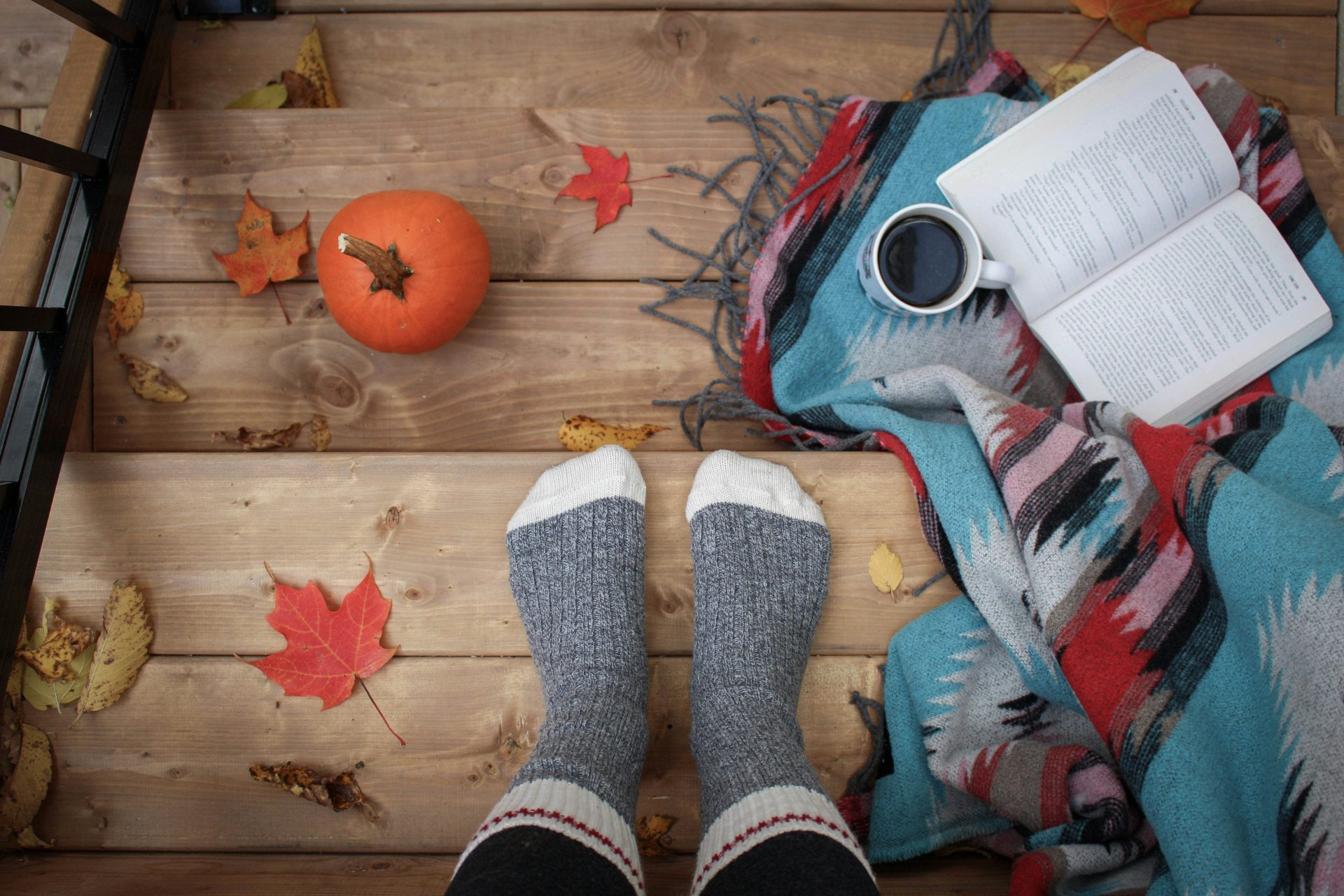
Autumn changes more than the weather. As temperatures begin to fall, daylight hours shorten, rainfall and humidity patterns shift, and people spend more time indoors. Together, these changes can influence several aspects of health at once, including respiratory health, indoor air quality, sleep, nutrition, physical activity, and skin health.
That means preparing for autumn is not simply about avoiding seasonal infections. It is also about adjusting your environment and daily routines to match the conditions ahead. Reviewing preventive health needs, managing indoor humidity, adapting to shorter days, paying attention to hydration and nutrition, staying active safely, and updating skin care can all form part of that seasonal transition.
Rather than waiting for colder and darker months to fully set in, a few practical adjustments made early can help make the change of season easier to manage. This guide looks at the main areas worth reviewing as autumn approaches.
Review Your Preventive Health Before Respiratory Infection Season
Autumn marks the beginning of a period when respiratory infections such as influenza, COVID-19, and RSV become more common. Cooler conditions, changing humidity, and increased time spent indoors can all contribute to greater exposure and transmission during the colder months.
Before the season is fully underway, it is worth reviewing whether any preventive measures are relevant to you. Vaccination recommendations can vary depending on age, pregnancy, occupation, existing health conditions, and other individual risk factors. People with chronic respiratory, cardiovascular, kidney, liver, or metabolic conditions, as well as those with weakened immune systems, may require particular attention during seasonal vaccination planning.
The goal is not to follow a single seasonal checklist that applies to everyone. Instead, consider whether your vaccinations and other preventive health measures are up to date for your personal situation and the guidance where you live. If you are unsure what is appropriate, especially if you belong to a higher-risk group, review your options with a healthcare professional before respiratory infection season is in full swing.
Prepare Your Indoor Environment for Cooler, Wetter Weather
As temperatures drop and people spend more time indoors, the home environment becomes a more important part of seasonal health. Cooler wall and surface temperatures can combine with moisture generated by everyday activities such as cooking, showering, and drying laundry indoors. When that moisture is not adequately removed through ventilation, condensation can build up and create conditions that favor mold growth.
Higher indoor humidity can also support the growth of dust mites, adding another potential source of respiratory irritation for people who are sensitive to indoor allergens. Persistent dampness and poor ventilation can contribute to problems such as allergic rhinitis and asthma symptoms.
A few practical adjustments can help reduce that risk. Keeping indoor relative humidity around 40 to 50 percent can help limit excess moisture, and a dehumidifier may be useful where humidity remains high. Short periods of ventilation, around 10 to 15 minutes during the warmer part of the day, can help replace humid indoor air without excessively cooling interior surfaces. Maintaining a comfortable indoor temperature can also help reduce condensation on colder walls and windows.
Heating choices matter as well. Unvented butane or kerosene heaters can add water vapor and indoor air pollutants to the room, making them a poor option in already damp conditions. Regular cleaning can also help reduce allergen buildup. Washing bed linens in hot water and using a sealed vacuum with HEPA filtration on carpets and upholstered furniture are practical measures to consider.
The main goal is not to make your home perfectly dry. It is to avoid prolonged dampness, condensation, and stagnant indoor air. Preparing your living space before cooler and wetter weather settles in can make the indoor environment more comfortable and reduce exposure to common seasonal respiratory triggers.
Adjust Light, Sleep, and Mental Well-Being as the Days Shorten
As autumn progresses, shorter days and reduced morning light can affect the body’s internal clock. Less exposure to natural light early in the day can make it harder to maintain a consistent sleep-wake rhythm, which may contribute to lower daytime alertness and greater sleepiness. For some people, seasonal changes can also be accompanied by lower energy or changes in mood.
One of the simplest ways to support this adjustment is to make morning light a regular part of the day. Spending around 20 to 30 minutes outdoors within the first hour after waking can help reinforce the body’s daily timing signals. Even on overcast days, outdoor light is substantially brighter than typical indoor lighting.
Consistency also matters. Keeping regular times for waking, eating breakfast, and exercising can provide additional daily cues that help stabilize the body’s rhythm as daylight hours change. In the evening, reducing exposure to bright screens before bed can support the natural rise in melatonin that prepares the body for sleep.
Mental well-being deserves attention as part of the same seasonal transition. Not everyone experiences noticeable mood changes in autumn, but if shorter days are accompanied by persistent lethargy, daytime sleepiness, or loss of interest in usual activities, it is worth paying attention rather than dismissing the change as simply seasonal tiredness.
A stable routine, regular morning light, and consistent sleep habits can make the transition to shorter days easier to manage and support both daily energy and mental well-being.
Adapt Your Food and Hydration to the Season
As temperatures fall, eating and drinking habits can shift along with the weather. Colder conditions may reduce the sensation of thirst and can also increase urine output. This makes it easier to drink less without noticing, even though adequate hydration remains important for keeping mucosal surfaces from becoming dry.
One practical way to adapt is to make hydration part of meals as well as something you think about between them. Vegetable soups and purees can provide fluid while also contributing a range of nutrients. Seasonal foods such as squash, sweet potatoes, and chestnuts can add complex carbohydrates, while oily fish such as sardines and mackerel provide EPA and DHA. Legumes, seeds, citrus fruits, pomegranates, persimmons, and cruciferous vegetables can also contribute useful nutrients to a varied seasonal diet.
Vitamin D deserves separate consideration as daylight becomes more limited. The amount your body can produce from sunlight depends partly on where you live and how much UVB exposure is available during autumn and winter. In some regions, seasonal changes in sunlight can make maintaining adequate vitamin D levels more difficult. That does not mean supplementation is automatically necessary for everyone.
A better approach is to consider your local climate, personal risk factors, diet, and sun exposure together. People who may be more vulnerable to low vitamin D levels, including older adults, people with obesity, and those with chronic respiratory or autoimmune conditions, may benefit from having their vitamin D status assessed and discussing supplementation with a healthcare professional when appropriate.
Keep Moving, but Adapt to Autumn Conditions
Rain and wetter surfaces do not have to bring outdoor activity to a halt, but they can change how safely you walk or run. Wet stone, cobblestones, painted surfaces, metal covers, and fallen leaves can all reduce traction, especially on slopes and uneven ground.
Footwear becomes more important in these conditions. Shoes with soft, high-traction rubber outsoles and grooves designed to move water away from the contact surface can provide better grip on wet pavement. Deeply lugged trail shoes are not always the best choice on flat, slippery stone because the smaller contact area can reduce traction.
How you move also matters. On slippery surfaces, shorter steps and a more controlled pace can help reduce sudden braking forces and loss of balance. Extra care is useful when walking downhill, where slowing your pace and keeping your arms free can make it easier to respond if your footing changes.
Route choice is another simple adjustment. During periods of persistent rain, flatter, well-drained paths can be a safer option than steep streets or uneven paved surfaces.
Update Your Skin Care for Cooler Weather
As autumn brings cooler temperatures and changing humidity levels, your skin may begin to lose moisture more easily. Indoor heating can add to this effect by increasing water loss from the outer layer of the skin, which may lead to dryness, tightness, or greater sensitivity.
This is a good time to adjust a lighter summer routine toward greater support for the skin barrier. Richer moisturizers can help reduce moisture loss, while gentler cleansing can prevent unnecessary stripping of the skin’s natural protective layer. Harsh soaps and strongly foaming cleansers may be more drying, so milder alternatives can be better suited to cooler weather.
Sun protection should also remain part of the routine. Cooler temperatures and cloudy skies do not mean ultraviolet exposure disappears. UVA radiation can remain present throughout autumn and can pass through clouds and standard window glass. Continuing to use broad-spectrum sunscreen, particularly during outdoor activity and daily commuting, can help maintain protection even when the weather no longer feels like summer.
Prepare Early and Adapt Gradually
Preparing for autumn does not require a complete overhaul of your routine. It is about recognizing what changes with the season and making small adjustments before those changes begin to affect your daily life.
Reviewing your preventive health needs, preparing your indoor environment, adapting to shorter days, paying attention to nutrition and hydration, staying active safely, and supporting your skin barrier all contribute to the same goal. These areas do not need to be addressed all at once, and the right approach will depend on your health, lifestyle, and local conditions.
Starting early gives you time to adjust gradually. As the season progresses, continue paying attention to how your needs change and adapt your routines accordingly.
Saluso can help by bringing your health and wellness data together in one place. By tracking lab results alongside everyday signals such as sleep, heart rate, steps, and weight over time, you can more easily see how your values and patterns change over time, including as the season progresses. Keeping this information organized also makes it easier to follow the areas that matter to you and share relevant information with a healthcare professional when needed.
Get the Saluso newsletter
Health guides and product news, about twice a month. Unsubscribe anytime.